For HR and benefits leaders, the challenge isn’t simply providing employees with more healthcare benefits. It’s making those benefits easier to find, easier to use, and more connected to the care employees actually need.
That’s particularly important when it comes to musculoskeletal (MSK) health.
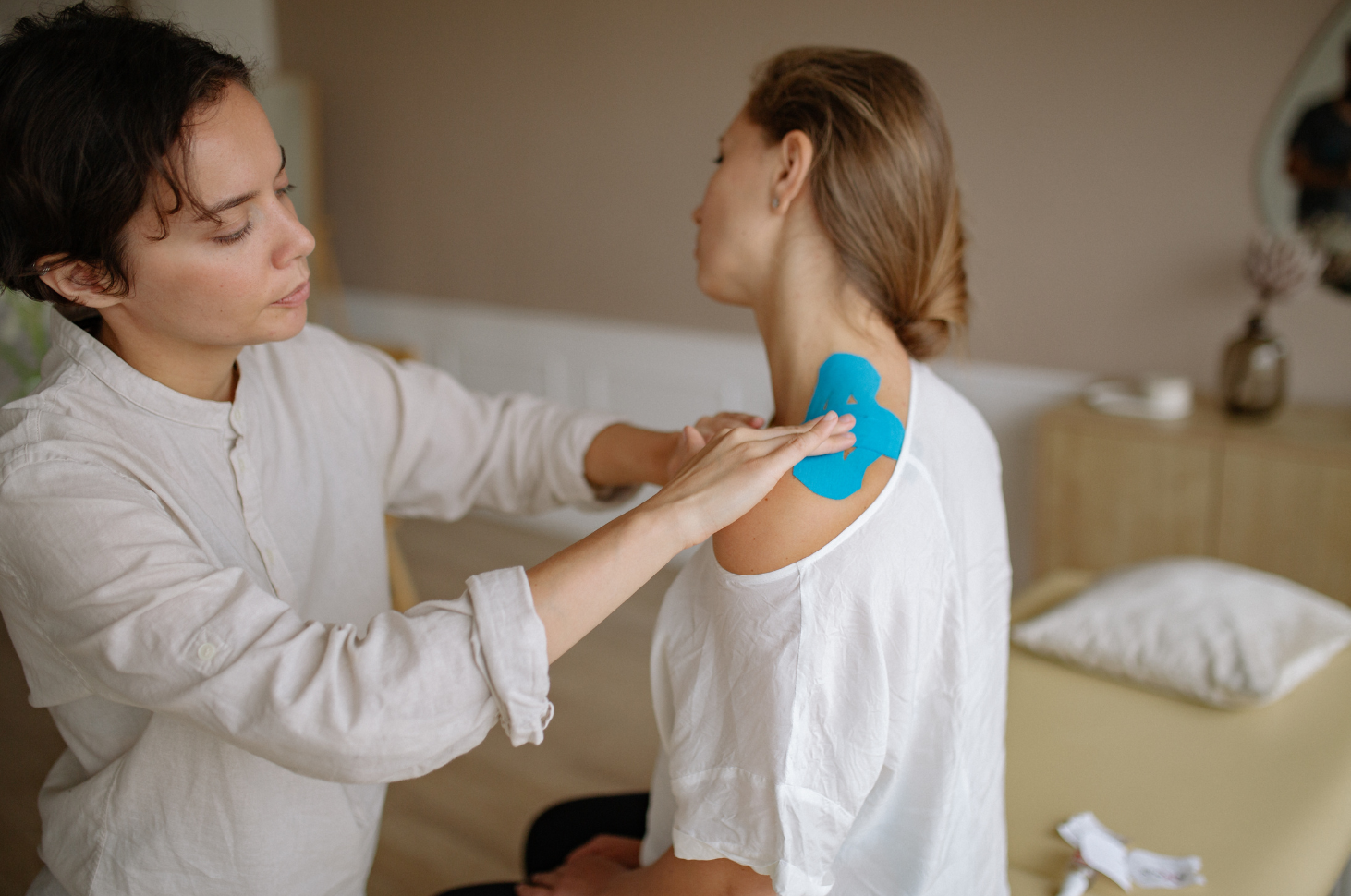
Back, joint, and muscle pain are common, and they can lead to physical therapy, imaging, injections, medications, and, in some cases, surgery. At the same time, employees may not always know where to start or which treatment option is appropriate. That’s where a more connected approach to virtual care can make a difference.
Moving Beyond “One More Benefit”
HealthiestYou®, part of the Teladoc Health ecosystem, gives members access to virtual healthcare services through a single experience, with available services varying by employer and plan design. These services can include general medical care, mental health, dermatology, nutrition, and other forms of virtual support.
Now, MSK care can be a part of that broader ecosystem through Hinge Health, Teladoc Health’s connected-care partner for musculoskeletal health. Hinge Health provides personalized digital MSK care that can include exercise therapy, health coaching, and access to physical therapists.
For employees, the value is more than having another app or another phone number to remember. It’s about creating a clearer path to care.
Why MSK Care Deserves Attention
MSK conditions can affect an employee’s ability to work, exercise, sleep, and participate in everyday activities. They can also contribute to significant healthcare utilization and costs.
For employers, that makes MSK health an important part of a broader strategy for managing healthcare spend while supporting employee well-being.
Previously, the traditional path to MSK care would involve multiple steps: finding a provider, scheduling an appointment, waiting for care, attending physical therapy, and determining what comes next.
Digital MSK care can help remove some of those barriers by bringing personalized support directly to employees, often from wherever they are.
Hinge Health reports that independent analyses of its programs have demonstrated meaningful reductions in medical claims and a 2.4x return on investment across multiple populations. These are Hinge Health-reported results, and actual outcomes can vary by population and plan design.
From Pain to a Personalized Care Plan
One of the biggest opportunities in MSK care is helping employees take action earlier by combining personalized exercise therapy, clinical support, and health coaching with convenient access to physical therapists and coaches, shifting the focus from simply providing access to care to helping employees navigate toward the right care at the right time.
Why the Connection Matters for Employers
For benefits teams, one of the biggest challenges with point solutions is fragmentation. Employees may have access to virtual primary care, mental health support, pharmacy resources, MSK programs, and other specialty benefits, but when those resources feel disconnected, they may not know where to start. Connected-care models are designed to help bridge those gaps, creating a more seamless and easier-to-navigate healthcare experience.
For employers, this creates an opportunity to simplify the benefits experience by helping employees spend less time asking, “Where do I go?” and more time knowing, “Here’s where to start.”
What This Means for HR Leaders
When evaluating healthcare solutions, it can be tempting to focus on whether a benefit is available. But availability is only the first step.
HR leaders should also consider:
- Is the benefit easy to access? – Employees are more likely to engage when they understand where to go and how to get started.
- Does it address a real healthcare need? – MSK conditions are common and can create significant physical and financial consequences when care is delayed or fragmented.
- Does it connect with the broader benefits strategy? – Solutions that can fit within an existing healthcare ecosystem may help reduce the number of disconnected resources employees have to navigate.
- Can it help guide employees toward appropriate care? – The value of digital healthcare isn’t simply convenience. It’s helping employees understand their options and take the next step in their care journey.
- From Access to Impact – Healthcare benefits continue to evolve. The next generation of benefits isn’t necessarily about adding more solutions—it’s about making the solutions employees already have work better together.
HealthiestYou provides a broader virtual-care experience through Teladoc Health, while Hinge Health brings specialized MSK expertise into that ecosystem. Together, they represent a more connected approach to helping employees access care for common musculoskeletal needs.
For employers, that’s an important distinction. Because the value of a benefit isn’t measured only by whether employees have access to it. It’s measured by whether employees can find it, engage with it, and get the right support when they need it.
Simplifying the Experience
As healthcare becomes increasingly complex, employers have an opportunity to simplify the experience for their people.
Connect employees to care. Make the path easier to navigate. Encourage earlier engagement. And turn benefit access into meaningful impact.
Note: HealthiestYou services and Hinge Health eligibility, costs, and available features vary based on the employer’s health plan and benefit design.