As an HR leader, I spend a lot of time thinking about what employees need to be successful, not just in their careers, but throughout the many stages of life that intersect with work.
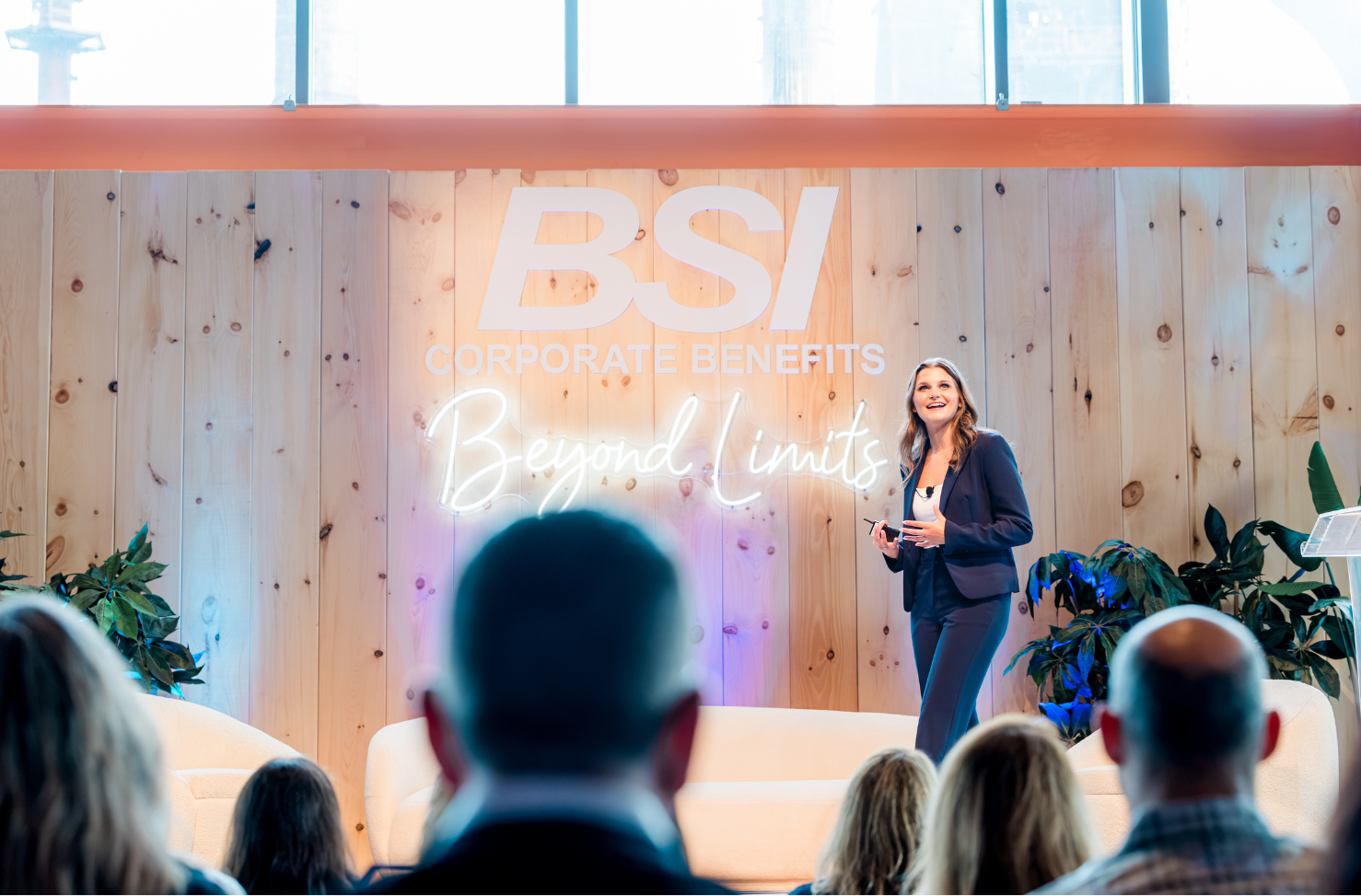
That perspective was reinforced at CORE 2026, where Lindsey Pollak shared so much insight during her keynote on “Beyond Generations.” Our conference theme was “Beyond Limits,” and Lindsey challenged us to think beyond traditional generational labels and focus instead on how we can unlock the potential of every person, at every age.
That idea has stayed with me, particularly when I think about employees who are balancing careers with multigenerational caregiving.
When Work and Family Responsibilities Collide
Many employees today are supporting children while also helping aging parents. They may be leading teams and managing deadlines while scheduling a parent’s medical appointment, coordinating care, picking up a child from school, or helping an adult child who still depends on them.
Working in human resources, we may see only a small part of what’s happening. An employee may ask to adjust their schedule, need time away for an appointment, or seem more tired than usual. What we may not see is everything happening behind the scenes: the caregiving responsibilities, appointments, decisions, and challenges they’re managing outside of work.
The responsibilities can overlap in ways that are difficult to predict. An employee may spend the morning coordinating care for a parent and the afternoon trying to catch up on work, all while keeping up with the needs of their children and the demands of their job.
That’s why I believe we need to look beyond whether we offer a particular benefit and ask a more practical question: Will this actually help an employee when they need it?
Care navigation, eldercare resources, mental health support, telehealth, employee assistance programs, and flexible leave can all be valuable. But employees also need to know where to find those resources. When someone is already overwhelmed, asking them to search through multiple benefit websites and figure out which program applies isn’t necessarily support.
Sometimes, simplifying the path to help can be just as important as the benefit itself.
Flexibility Has to Be Real
We talk a lot about workplace flexibility, but flexibility means something different depending on what an employee is facing.
A policy may allow flexible schedules, but what happens when an employee gets a call that their parent needs to go to the emergency room? Or when a child’s appointment runs longer than expected?
Real life doesn’t always give us two weeks’ notice.
That doesn’t mean every situation can be accommodated or that expectations should disappear. It means managers need the guidance and discretion to have a reasonable conversation about what an employee needs and what the business can support.
Sometimes moving a meeting, adjusting a schedule, or allowing someone to handle a family emergency without guilt can make an enormous difference.
Culture Matters Just as Much
One of the things we may underestimate is how difficult it can be for employees to admit they’re struggling.
They may worry that asking for flexibility will make them look less committed. They may be concerned that their manager will question their ability to handle their role. Or they may simply not want anyone at work to know that things at home are difficult.
That’s why culture matters.
When an employee says, “I’m having a hard time managing everything right now,” the first response shouldn’t be judgment or an immediate conversation about performance. It should be a conversation. We may not be able to fix the situation, but we can listen, explain the resources available, and work together to find a reasonable path forward.
Looking Beyond Generations
Lindsey Pollak’s message about going “Beyond Generations” is a useful reminder that employees are more than the generation they belong to. They are people moving through different stages of life, sometimes simultaneously.
An employee can be a leader, a parent, a caregiver, a mentor, and a spouse, all at the same time. Their needs can change from one year to the next, or even from one week to the next.
As HR leaders, our job isn’t to create a workplace that solves every challenge employees face outside of work. It’s to create an environment where people have access to meaningful resources, reasonable flexibility, and the confidence to ask for help when they need it.
At BSI, we talk a lot about putting people first. But to me, that starts with something simple: meeting people where they are. People don’t leave the rest of their lives at the door when they come to work. They’re navigating different priorities, responsibilities, challenges, and milestones, and those things can look very different from one person to the next, and from one stage of life to another. Putting people first means meeting people where they are and understanding that what someone needs today may be different from what they need tomorrow. At BSI, we want our people to know there is support available to them, whatever season of life they’re in. Because supporting people isn’t about having one answer for everyone. It’s about being willing to meet people where they are and give them the support they need to thrive.
Because supporting people isn’t about removing every limit; sometimes, it’s about giving them the support they need to move beyond the limits life puts in front of them.