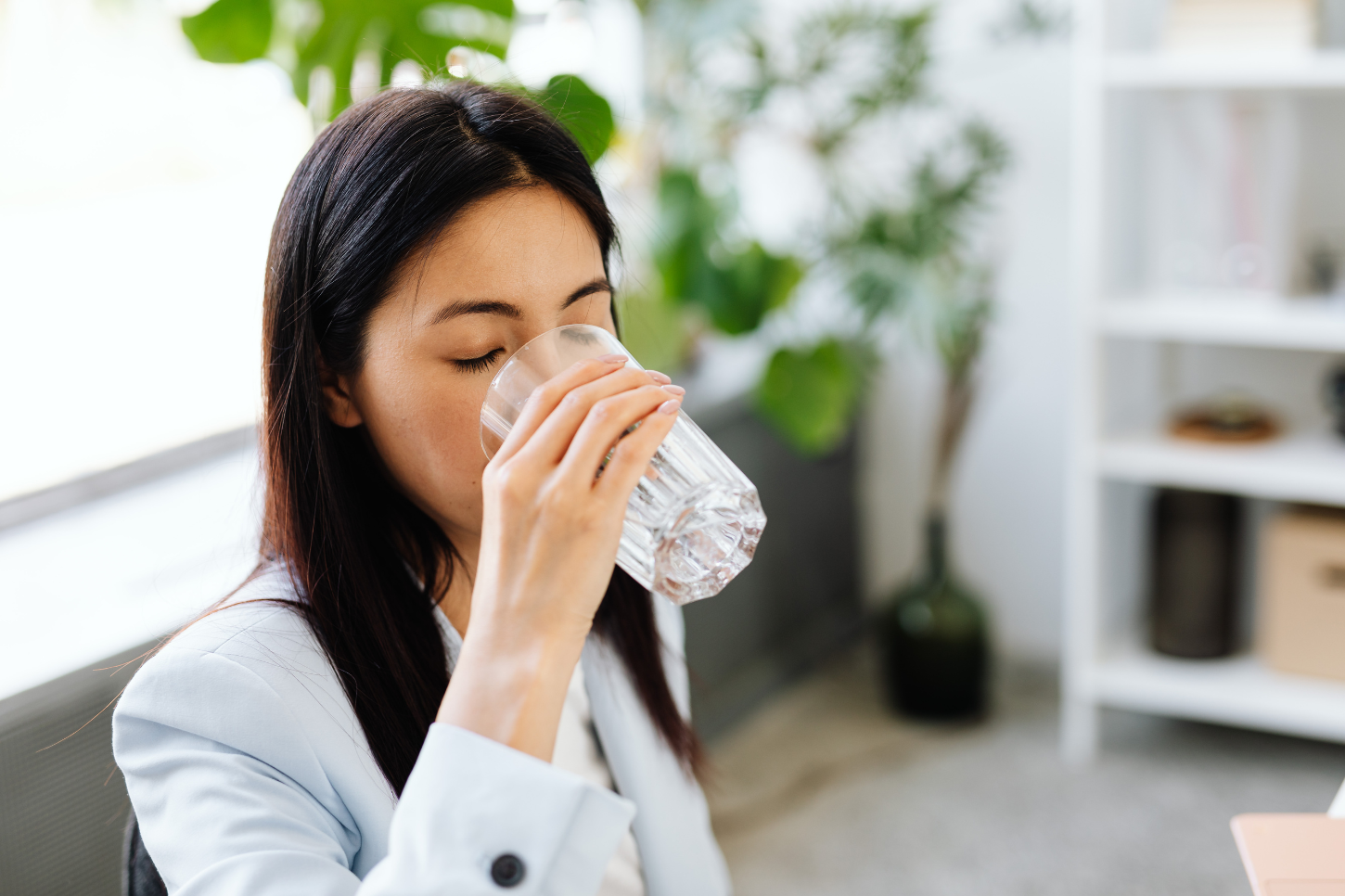
With July here and summer temperatures on the rise, staying hydrated is more important than ever. Whether you’re commuting, working outdoors, exercising, or simply enjoying time in the sun, your body needs extra fluids to stay energized, focused, and feeling its best.
The good news? Staying hydrated doesn’t have to be complicated. A few simple habits can make a big difference.
Why Hydration Matters
Water plays a vital role in keeping your body functioning properly. It helps regulate body temperature, supports brain function, cushions joints, aids digestion, and keeps your energy levels up. Even mild dehydration can lead to fatigue, headaches, dizziness, and difficulty concentrating.
How Much Water Do You Need?
There’s no one-size-fits-all recommendation, but general daily guidelines are:
- Women: About 9 cups (72 oz.)
- Men: About 13 cups (104 oz.)
You may need more fluids if you:
- Spend extended time outdoors or in hot weather
- Exercise or are physically active
- Are pregnant or breastfeeding
Rather than drinking large amounts at once, aim to sip water consistently throughout the day.
Easy Ways to Stay Hydrated
- Start your day with water. Begin your morning with a glass of water to jumpstart hydration before coffee or breakfast.
- Keep water within reach. Carry a reusable water bottle or keep one at your desk to make drinking water easy throughout the day.
- Make it more enjoyable. If plain water isn’t your favorite, add slices of lemon, cucumber, berries, or mint. Sparkling water or unsweetened herbal iced tea are also refreshing options.
- Set reminders. Busy days make it easy to forget to drink. Set reminders every 30 to 60 minutes or build hydration into your routine by taking a few sips after meetings or breaks.
- Balance caffeinated or alcoholic beverages with water. Coffee and tea can still count toward your daily fluid intake, but alcohol and excessive caffeine can contribute to fluid loss. A good rule of thumb is to enjoy a glass of water alongside these beverages.
- Sip throughout the day. Drinking smaller amounts consistently helps your body stay hydrated more effectively than consuming large amounts all at once.
- Eat Your Water, Too
- Hydration isn’t just about what you drink—many fruits and vegetables have a high water content and can help keep you hydrated.
Try adding these water-rich foods to your meals and snacks:
- Watermelon
- Cucumbers
- Oranges
- Strawberries
- Leafy greens
Adjust for Heat and Activity
When temperatures rise or you’re more active than usual, your body loses more fluids through sweat.
Remember to:
- Drink extra water before, during, and after spending time outdoors or exercising.
- Take breaks in cool or shaded areas whenever possible.
- Consider an electrolyte-replacement beverage if you’re sweating heavily for an extended period.
Know the Signs of Dehydration
Your body will often let you know when it needs more fluids. Watch for signs such as:
- Dry mouth or excessive thirst
- Dark-colored urine
- Fatigue or dizziness
- Headaches
If you notice these symptoms, drink water and seek a cool place to rest.
Take the One-Week Hydration Challenge
Build a healthy habit by challenging yourself to drink 6 to 8 cups (48–64 oz.) of water each day for one week.
How to Participate
- Track your daily water intake using a reusable bottle, app, or checklist.
- Add at least one water-rich food to your meals each day.
- Replace one sugary beverage with water each day.
Small changes can have a lasting impact. Staying hydrated is one of the easiest ways to support your energy, focus, and overall well-being, especially during the hottest months of the year.
Make hydration a daily habit, and your body will thank you.