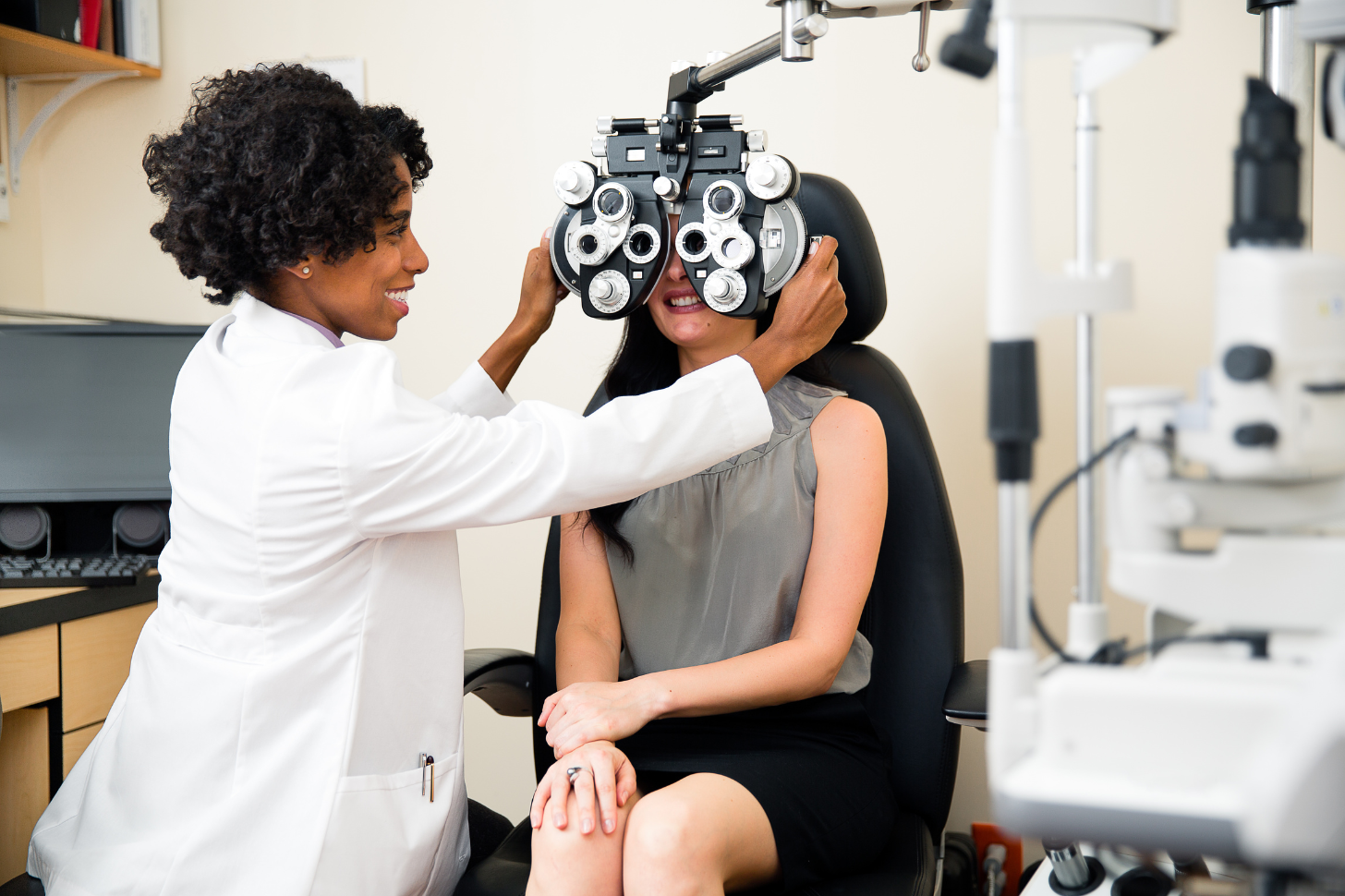
October is National Eye Month—a great reminder to take a closer look at how we care for our eyes. Many of us don’t think about eye health until our vision becomes blurry or we need a new pair of glasses. But routine eye care is about much more than seeing clearly.
Your eyes can provide important clues about your overall health, making regular eye exams an important part of preventive care. October is the perfect time to take advantage of your company vision benefits and make eye health part of your wellness routine.
Why Regular Eye Exams Matter
A comprehensive eye exam does more than determine whether you need a new prescription. Your eye care provider also examines the health of your eyes and may identify changes that could warrant additional medical attention.
Eye exams can help detect and monitor conditions such as:
- Diabetes: Changes in the blood vessels of the retina can be associated with diabetes and its complications.
- High blood pressure: Changes in the blood vessels in the eyes may be associated with elevated blood pressure.
- High cholesterol: Certain changes around the eyes can sometimes be associated with elevated cholesterol.
- Glaucoma: Often developing without noticeable symptoms, glaucoma can cause permanent vision loss if left untreated.
- Macular degeneration: Early detection and monitoring can help manage changes that affect central vision.
An eye exam isn’t a replacement for your regular medical care, but it can provide another opportunity to identify potential concerns and follow up with your primary care provider when appropriate.
Protect Your Eyes From Digital Eye Strain
Between computers, smartphones, tablets, and other digital devices, many of us spend hours each day looking at screens. Extended screen time can contribute to digital eye strain, which may cause dry eyes, headaches, blurred vision, or eye fatigue.
Try these simple habits to give your eyes a break:
- Follow the 20-20-20 Rule: Every 20 minutes, look at something about 20 feet away for at least 20 seconds.
- Adjust Your Screen: Position your monitor about an arm’s length away and slightly below eye level. Adjust the brightness and text size to make viewing more comfortable.
- Remember to Blink: We tend to blink less when looking at screens, which can contribute to dry or irritated eyes.
- Stay Hydrated: Drinking enough water throughout the day can help support overall eye comfort.
Make the Most of Your Vision Benefits
Your vision benefits are designed to make routine eye care and corrective eyewear more accessible and affordable. Depending on your specific plan, your benefits may include:
- Routine eye exams with a copay or potentially no out-of-pocket cost
- Prescription eyewear through an allowance toward frames, lenses, or contacts
- Lens enhancements such as anti-reflective coatings or other covered options
- Discounts on additional eyewear, materials, or services
Know Your Plan Before You Schedule
Vision plans can vary, so take a few minutes to understand your specific benefits. Check:
- Your provider network: Using an in-network eye care provider can help you maximize your coverage and minimize your out-of-pocket costs.
- Your frequency limits: Your plan may have specific timeframes for eye exams, frames, lenses, or contacts.
- Your eyewear allowance: Know how much your plan contributes toward frames or contacts and what you’ll pay if you choose options above the allowance.
- Your benefit period: Some plans operate on a calendar-year basis, while others may use a different benefit period. Check your plan to see when your benefits reset and whether unused allowances carry over.
Don’t let eligible benefits go unused! If you’re due for an eye exam or new eyewear, now is a great time to schedule an appointment and make sure you’re taking advantage of the coverage available to you.
Don’t Ignore Changes in Your Vision
Even if you have routine eye exams, pay attention to changes in your vision. Contact your eye care provider if you notice changes such as blurred or distorted vision, difficulty seeing at night, frequent headaches, or other persistent symptoms.
Sudden vision loss, a sudden increase in floaters, flashes of light, or significant eye pain can require prompt medical attention. Don’t wait for your next routine exam if you experience these symptoms.
Make Eye Health Part of Your Wellness Routine
Your vision benefits are more than a benefit you use when you need glasses. Regular eye care can help you maintain healthy vision, monitor changes in your eye health, and provide another opportunity to identify potential health concerns.
This October, take a moment to see what your vision benefits can do for you. Schedule your eye exam, check your coverage, and make your eye health a priority.
Your eyes, and your overall health, will thank you!